

Jehle Coaching Blog - What I’m thinking and doing (what’s new)…

Part three of "Finding Hope"
This is the third of a series on finding hope.
Two weeks ago, I about finding hope in times of uncertainty and wrote two blogs on this topic, which you can find on my blog (on my Jehle-coaching website).
Here are some more ideas that can help you to find hope:
7. Know yourself and know your values – this can keep you firmly grounded.

Part two of "Finding Hope"
Last week I began a series on finding hope in uncertainty. Boy oh boy are things becoming uncertain!
Last week I wrote that in times of uncertainty, when life feels unpredictable and control seems out of reach, hope is essential. It serves as a light, a source of strength that keeps us moving forward, even when we can't see the path clearly. Finding hope in uncertainty can help us regain balance, resilience, and a sense of purpose, helping us navigate challenges with a positive outlook. I gave three steps on this and here are some more on how to cultivate and hold onto hope, even in the midst of uncertainty.
Then this weekend happened. Need I say more?

Part One of “Finding Hope in Uncertainty: How to Stay Grounded and Positive When the Future Feels Unclear”
In times of uncertainty, when life feels this unpredictable and control seems out of reach, hope is essential. It serves as a guiding light, a source of strength that keeps us moving forward, even when we can't see the path clearly.
Finding hope in uncertainty can help you regain your balance, resilience, and a sense of purpose, helping you navigate all your challenges with a more positive outlook.
This is the beginning of a few blogs on how to cultivate and hold onto hope, even in the midst of great uncertainty.

Expertise, Resilience and what I do
I have some expertise besides in business coaching and in supervision.
Where is your expertise found?
Besides having and using my MA in pedagogy (teaching and curriculum development), this business coach and supervisor (I) had certification to train others in intercultural communication AND that is exactly what I am teaching this semester at the FHNW; that and teaching negotiations, I mean.
My intercultural awareness comes in handy with my clients (and former ones), who range from Swiss to German to SE Asian to Belgian to Eastern European to Indian to N. American to… you get what I mean.

NEWS - mine and yours
My life has a bit more in it this year. What more would you like to do? Sometime in July I will turn down the burner for a few weeks and think a lot, and all the previous work will balance the time of reflection and rest.
So, in August, I wind down with the teaching and will rev up the coaching and supervision! Looking forward to that, too!
Tell me your news!

Happy Holidays
Most people know I am a book lover and read voraciously. This year, I will only suggest a few books, not because I haven’t read a lot, but because, I think this is more helpful for those of you who are, or know, a coach or supervisor. Before I get into the thick of things, I want to add a book I read last week that is a literature and has a lot of wisdom and coaching in it – and there is quite some reflection, which makes the characters change and move forward. I highly recommend it also for anyone working in intercultural fields.

Being Kind - Let's Just DO it!
It breaks my heart to see the plight of refugees—whether in the U.S., Europe, the Middle East, Sudan, or Myanmar. Conflicts around the world continue to displace millions. I hope it breaks your heart, too. Not to despair, but to act. Even small gestures of kindness can make a difference. May we face life’s challenges with courage and compassion. And may we strive to make the world a better, kinder place for everyone.

Happy Thankful and Grateful Day!
Tomorrow is the USA’s biggest celebration: Thanksgiving. It lasts four days, but tomorrow is the official holiday. ‘Tis the season to be thankful! I realize it would be beneficial for your – and my – health and well-being to really take some time and count our blessings, but this year I am rather sad about a few circumstances, and yet I am grateful about many others.

Your PLAN! - especially for retirement :-)
As you move towards retirement, it’s essential to plan. Retirement today looks different than it did for previous generations, with many older adults choosing to remain engaged in the workforce, like I am. Ensure you have a solid financial plan in place, considering factors like savings, investments, and any pension or social security benefits. Financial planning can give you peace of mind and the flexibility to choose how you spend your retirement years—whether that’s continuing to work, volunteering, or pursuing hobbies. Retirement doesn’t have to mean the end of your professional life. Many retirees like me find fulfillment in coaching, consulting, mentoring, or evenvolunteering. Staying connected with your professional network and participating in community or industry groups can keep you engaged and provide opportunities to share your knowledge and experience. Remember to be grateful and keep on with your PPFs! PAST: Remember the past and be grateful, PRESENT: savor what we have in the present and FUTURE: anticipate the good things the future holds with hope.

Job search at 45+ ??? - READ ON!
Ageism in the workplace is an unfortunate reality that you may face as you advance in their careers. It is especially a hard issue in Switzerland as it is required by the government for the company to pay more into your pension as you gain years of experience. For you nearing retirement or simply seeking a job later in your life, the challenges of age discrimination can be particularly daunting. However, understanding this issue and finding ways to counteract it can help you navigate their career paths with confidence and dignity.

Why Get a Coach when you Head into Retirement (or ANY change, really)?
Navigating the transition into your retirement can feel daunting, especially if you’re unsure how to structure this new phase of life.
This is where coaching comes in and I will continue coaching and supervision (and consulting/training) well past my retirement from teaching at the university.
I, as your coach provide guidance, support, and practical tools to help you design a fulfilling and purposeful post-career life. Here’s how coaching can make a difference in your next steps.
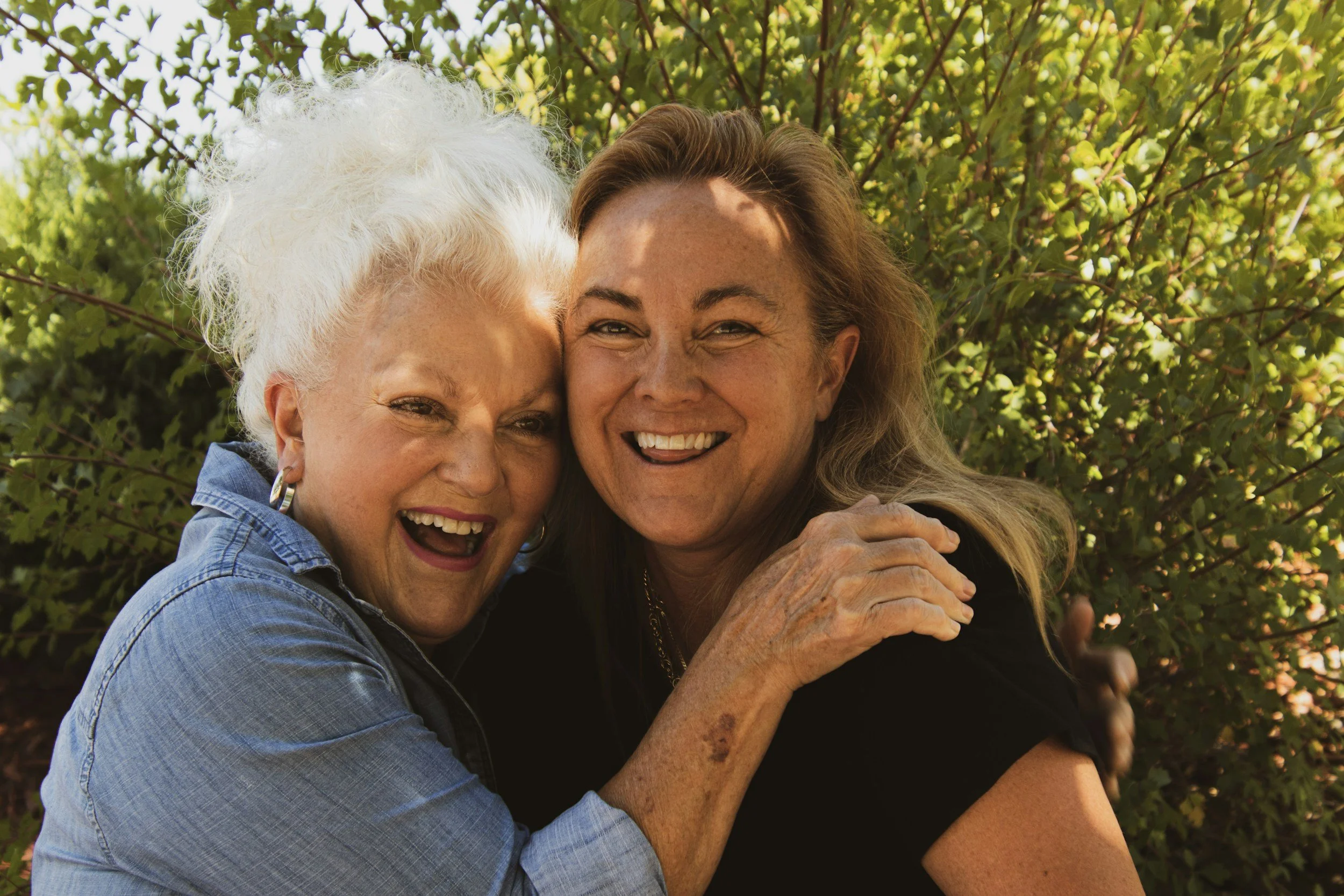
What can you do in retirement that is cool? Read on!
But to continue my thoughts on retirement, here are some ways to make the most of it:
1. Be adventurous and ready to explore new Interests and passions
Retirement finally provides you the freedom to dive into old and new hobbies, interests, and passions that may have taken a backseat during your career.

A very big transition for you and me: Retirement!
Are you retiring soon? I am semi-retiring at the end of this academic year; that means I will not be working for a university anymore, but will still be a coach, supervisor, trainer and consultant. It means I can order my life in a way I find more amenable to my needs and wants.
Retirement marks a significant life transition for you and for me—one that’s often met with both excitement and apprehension.
For decades, you may have structured your life around work, routines, and other responsibilities.

Change and Transition can use a Coach
Life transitions are both inevitable and challenging. They offer you the potential for growth, but they also require support, guidance, and a strategic approach.
Coaching plays an essential role in helping you not only navigate but excel through these periods of change. With a coach, like me, the fear of the unknown can transform into excitement for the future, providing you with the foundation for a successful and fulfilling transition to the next stage in your life.

How stressed are you? What can you do about it?
There is good stress – contact me for a chat if you disagree.
But there is a time when your stress level tips. Then the stress begins to hurt your body.
What is that bad stress and what can you do about it? What causes it?
Stress: So, tip number one: label your stressors. Know what tips you into the “bad zone”.
Then, when possible, lessen those bad stressors. Do something about it.
For example: when possible, ask for help. It is good for two things – sharing the stress is making it less, but also social interaction lessens stress, in general.
Tip number two is BREATHE- either the 4 x 4 method or the 4 x 7 x 8 one, which I have recently shifted to. Look them up.
Tip number three: look at your expectations and see if they are realistic or are you trying to be/achieve perfection.
Finally, take on myPPFs® activities and be grateful for the PAST, savor the PRESENT moment and look forward to the FUTURE with hope.

Focus on the positives and WRITE THEM DOWN!
In the fast-paced world of your work week, it’s easy to get caught up in the daily grind, focusing on deadlines, projects, and the never-ending to-do list. Yet, there’s a simple and often overlooked tool that can help you stay grounded, motivated, and continually growing in your career: journaling. Specifically, keeping a record of the positive feedback you receive - and your “wins” - can be a game-changer, offering a host of benefits that extend far beyond the moment of recognition. Your “positives” journal can also serve as a valuable resource when building your personal brand. It provides concrete examples of your strengths and achievements, which can be woven into your resume, LinkedIn profile, or discussions with mentors and peers. This practice not only helps you articulate your value more clearly but also builds your reputation as a reflective and growth-oriented professional.

Plan after you set a goal with mental contrasting as a tool
To start reaching your goals, you need to put good habits into place.
Set very small steps (see SMART below) and work incrementally. I also use mental contrasting for myself, for my students and my clients.
What is it
: a kind of self-regulation:
A way to swing between goals and obstacles in a way that helps you overcome the obstacles and reach your goals.

Change and Transition - and what is needed to move forward
Whatever the transition, whether small or heavy, we must work through the stages of grief so that we can really function well in life. This means we much actually face the situation, the feelings of anger, disbelief, the deep sadness we might feel, so that we can begin to try and live again. It’s won’t be a linear process, but a back and for of all those emotions. Emotions are good; they are what make us human. We shouldn’t be afraid to cry with our friends who are mourning. In fact, it may encourage them, and even help them feel that we are a “small part” of their grief process. When you have a transition, take your time and feel your feelings when you grieve a loss.

We are back to WORK! plans and goals to help you move forward
Are you having problems with getting back to work from a great holiday time? My husband and I have been, AND we have some ideas to help - maybe you can do them too!
Start back on a Wednesday, or even Thursday (my son tried to do this on a Friday, recently)
This is what I am doing a week ago.
Make your first work-week lighter by only working a few days, or perhaps schedule something “fun” first, such as a training day, or a team building day where you have no choice but to ignore your email list.
What about you? Can you re-start midweek?
Start slowly, with lowered expectations

You still have time for a summer break
Skipping your 2024 vacation because you have too much to do?
It’s now proven that stressed employees cannot produce as well as rested and relaxed employees.
Going on holiday can be a critical management strategy for you as a business leader, especially in today’s “always-on culture”. While it may seem counterintuitive that taking time away from the office can benefit a company, the reality is that strategic downtime can enhance leadership, creativity, and overall organizational success.