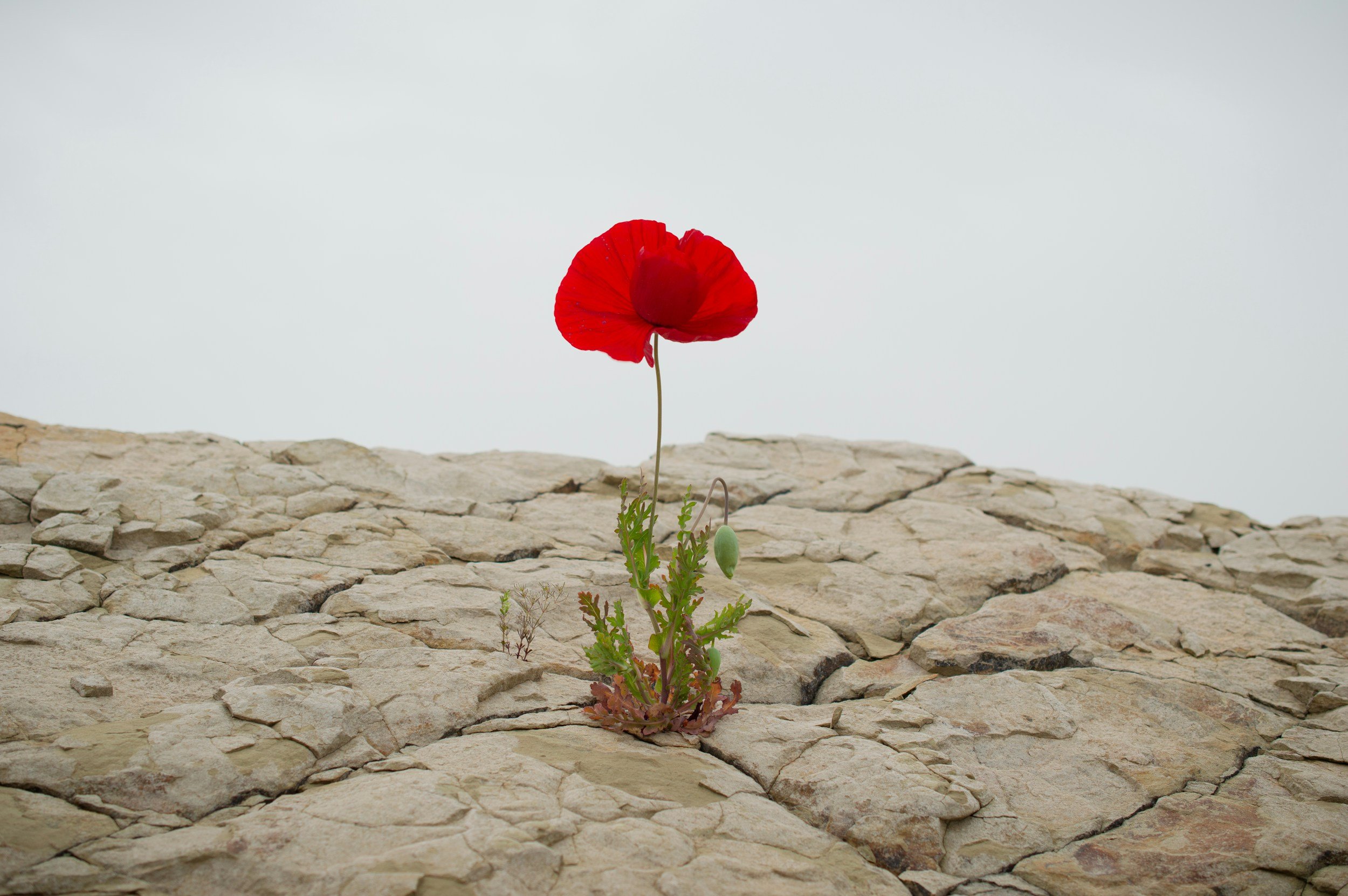
We need resilience these days
I think we all need to visit the topic of resilience one again.
What is resilience and how does it help prevent burnout?
Resilience:
Definition- the ability of material to absorb energy when it is elastically deformed and then the ability to release that energy upon unloading (from material science)—maximum energy that can be absorbed without creating permanent distortion.
A Resilience Metaphor: bamboo (a grass, actually)
Resilience is mostly under our control and enables us to thrive in adversity, making us able to make good (quick) decisions in instances of difficulty. It turns victims into survivors (“thrivers”) with a variety of skills.
What are components of resilience?
It’s foremost a mind-set! (learn from the past, be grateful for any little thing in the present, plan for the future).
Resilience is a lot about Emotional Intelligence (EQ) and soft skills, but it also takes some analytical intelligence.
EQ/Soft Skills:
· Emotional Regulation (very key, especially in “the moment”)- regulated emotions and thoughts are very helpful
· Empathy (for others, and for yourself)
· Impulse Control (read: delayed gratification plus)
· Self-efficacy- the knowledge that you alone control your life and its outcomes is key for resilience (believing you are master of your environment and that there is a solution to the problem)- this gives you a high level of commitment to solving the issue
· Self-esteem- “humble” is being able to accurately appraise your life, good sense of self, and can perceive and express their thoughts and feelings- have found meaning and purpose in what they do
· Reaching out to others - Good Relationships (or at least one, with healthy boundaries) – someone to lean on (& ability to share)
· Being Proactive (realistically balanced optimistic) in your Thinking (what you think is key, for health and success)
PLUS:
Analytical Skills: the ability to detect the source of the problem and figure out the most likely outcomes is also necessary for ling-term resilience (including risk assessment- ability to see real and perceived risks)
And Problem Solving:
- incremental, purposeful actions to deal with the issue because when we feel that we can do one small ting to help a situation, no matter how small, we gain more power and more resilience
Think the Butterfly Effect.
When we use these skills correctly, we are much more likely to overcome out adversities and thrive.
So, what else can be done to enhance our resilience?
More about that in the next blogs.
Enjoy a resilient week,
Patricia Jehle patricia@jehle-coaching.com
Some of my thoughts and takeaways are from reading this book: The Resilience Factor: 7 Keys to Finding your Inner Strength and Overcoming Life’s Hurdles, Karen Reivich and Andrew Shatte